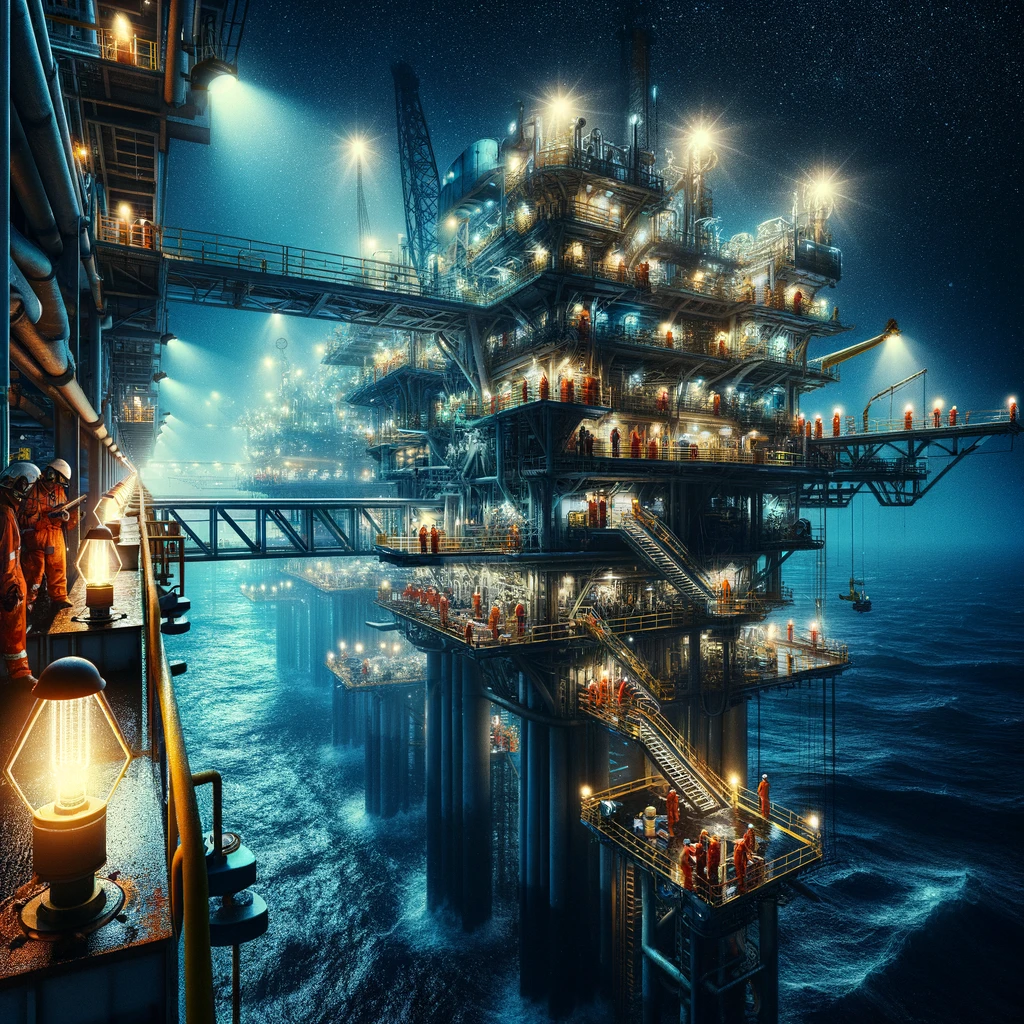
Explosion Proof LED Lighting for Hazardous Location Applications

Explosion proof lighting is designed for hazardous environments where flammable gases, vapors, or combustible dust may be present. As part of broader commercial LED lighting solutions, these systems are engineered to contain internal sparks and prevent ignition, making them suitable for use in classified industrial environments.

From oil and gas facilities to chemical plants and manufacturing operations, explosion proof lighting plays a critical role in maintaining safety, compliance, and reliable performance in demanding conditions.

Explosion Proof Lighting Classifications & Applications

Class 1 Division 1 Lighting

Lighting for environments where hazardous gases are continuously present.

Explore C1D1 Lighting →


Class 1 Division 2 Lighting

Lighting for areas where hazardous materials are present under abnormal conditions.

Explore C1D2 Lighting →


Paint Spray Booth Lighting

Specialized lighting for paint and finishing environments.

Explore Booth Lighting →
What Is Explosion Proof Lighting?

Explosion proof lighting refers to fixtures designed to operate safely in hazardous environments by containing any internal sparks or heat that could ignite surrounding gases or dust. These fixtures are built with sealed housings and robust materials to ensure safe operation in classified locations.

Hazardous Location Classifications

Class 1 Division 1

Hazardous materials are present continuously or frequently.

Class 1 Division 2

Hazardous materials are present only under abnormal conditions.

Explosion Proof Lighting Applications

Explosion proof lighting is used across a range of hazardous industrial environments where safety and compliance are critical. Common applications include Class 1 Division 1 and Class 1 Division 2 environments, as well as specialized areas such as paint spray booths, chemical processing facilities, and fuel handling locations.

Where Explosion Proof Lighting Is Used

  • Oil and gas facilities
  • Chemical plants
  • Manufacturing facilities
  • Paint spray booths
  • Fuel storage areas
  • Industrial processing plants
  • Marine and offshore environments

Key Considerations for Explosion Proof Lighting

  • classification (C1D1 vs C1D2)
  • certification requirements (UL, ATEX, IECEx)
  • fixture type and application
  • mounting height and layout
  • durability and environmental resistance
  • maintenance access

Related Industrial Lighting Fixtures

Frequently Asked Questions About Explosion Proof Lighting

What is explosion proof lighting?

Lighting designed to operate safely in hazardous environments.

What is the difference between C1D1 and C1D2?

C1D1 = constant hazard, C1D2 = occasional hazard.

Where is explosion proof lighting required?

Oil, gas, chemical, and hazardous industrial environments.

Explore Explosion Proof Lighting Solutions

Explore lighting systems designed for hazardous environments, including Class 1 Division 1 and Division 2 applications.